
How to Shade Plants During a Heat Wave: Simple Ways to Protect Your Garden From Extreme Summer Heat
Share
When temperatures soar into the 90s or even 100s, gardeners often focus on watering. Water is important, but it isn't always enough.
Many plants suffer from heat stress even when the soil contains adequate moisture. Intense sunlight, hot winds, reflected heat from patios and driveways, and prolonged periods of high temperatures can overwhelm plants and cause wilting, leaf scorch, flower drop, and slowed growth.
The good news is that temporary shade can often provide immediate relief. You don't need to plant a tree, build a pergola, or make permanent changes to your landscape. A few simple strategies can help plants survive a heat wave until cooler weather returns.
Why Shade Helps During Extreme Heat
Plants lose water through their leaves in a process called transpiration. During extreme heat, water can be lost faster than roots can replace it, especially in containers, raised beds, and newly planted landscapes.
Providing shade during the hottest part of the day helps:
- Reduce leaf temperatures
- Slow water loss
- Prevent leaf scorch
- Protect flowers and fruit
- Reduce stress on newly planted trees and shrubs
- Lower watering demands
In many cases, a few hours of afternoon shade can make a significant difference.
Use Shade Cloth for Larger Areas
Shade cloth is one of the most effective temporary solutions available.
Unlike a tarp or solid cover, shade cloth allows air circulation while reducing the intensity of direct sunlight. It can be draped over hoops, stakes, tomato cages, or simple frames and removed once temperatures moderate.
This works especially well for:
- Vegetable gardens
- Raised beds
- Newly planted perennials
- Lettuce and other cool-season crops
- Young shrubs
Even partial shade during the hottest part of the afternoon can help plants maintain healthier growth.
Move Containers to Cooler Locations
Container gardens are often the first plants to suffer during heat waves because pots heat up quickly and dry out faster than garden soil.
If possible, move containers to:
- The east side of a house
- A covered porch
- Under an awning
- Beneath open tree canopy
- A location that receives morning sun and afternoon shade
Many plants will continue to thrive with several hours of morning sunlight while avoiding the most intense afternoon heat.
Use Patio Umbrellas and Pop-Up Canopies
Sometimes the simplest solutions work surprisingly well.
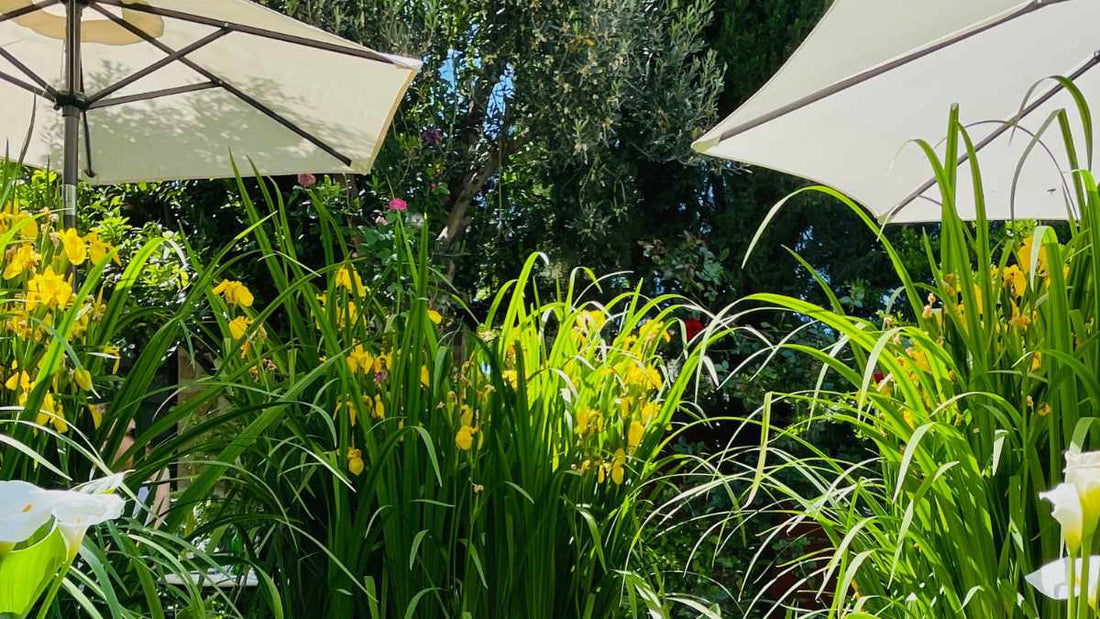
A patio umbrella can provide temporary protection for individual containers, hydrangeas, hostas, or newly planted shrubs.
For larger areas, a pop-up canopy can create a shaded zone over raised beds or groups of plants. Just be sure to secure it properly if thunderstorms or strong winds are expected.
Repurpose Materials You Already Have
During an unexpected heat wave, you may not have shade cloth available.
Temporary alternatives can include:
- White bedsheets
- Lightweight fabric
- Folding screens
- Lattice panels
- Garden fencing
- Row cover supports
The key is to keep the material above the plants rather than laying it directly on the foliage. Good air circulation remains important, especially during humid weather.
Protect Newly Planted Trees and Shrubs
Plants installed within the past year are particularly vulnerable to heat stress.
Their root systems are still developing and often cannot access moisture deep in the surrounding soil. Temporary shade can reduce stress while roots continue to establish.
If you're caring for new landscape plants, our guide to Watering Newly Planted Trees and Shrubs explains how watering needs differ from established plants.
Don't Confuse Heat Stress With Drought Stress
One of the most common gardening mistakes during summer is assuming every wilted plant needs more water.
Plants sometimes wilt during the hottest part of the day even when the soil remains adequately moist. Excessive watering can create additional problems, including root rot and disease.
Learning to recognize the difference between heat stress and drought stress can help you make better watering decisions. See our article on Heat Stress vs. Drought Stress in Plants for a closer look at the warning signs.
Monitor Rainfall Before Reaching for the Hose
During summer weather, many gardeners underestimate how much water their landscape is already receiving from rainfall.
A quality rain gauge makes it easy to track natural precipitation and avoid unnecessary watering. Even after a heat wave, knowing whether your garden received a quarter inch of rain or a full inch can make a big difference in watering decisions.
Determine How Much Water Your Garden Really Needs to help you determine when additional watering is actually necessary. Learning how to Calculate Watering Time helps too.
Watering Deep Dive: Complete Guide To Watering Your Garden
Shade and Water Work Best Together
Shade is not a replacement for watering, and watering is not always a replacement for shade.
The healthiest gardens often combine both approaches. By reducing heat stress and monitoring rainfall carefully, gardeners can conserve water, avoid overwatering, and help plants remain healthier through even the hottest days of summer.
A little temporary shade may be all it takes to help your garden weather the next heat wave.